History of Morocco: From Ancient Civilizations to the Modern Kingdom
The history of Morocco is a fascinating story of ancient civilizations, powerful dynasties, cultural exchange and resistance. Located between Africa, Europe, the Atlantic Ocean and the Mediterranean Sea, Morocco has served as an important meeting point for different peoples and cultures.
Today, Morocco’s historic cities, traditional villages, impressive kasbahs and archaeological sites allow travellers to explore thousands of years of history.
Ancient Morocco and Amazigh Heritage
The Amazigh people, also known as Berbers, are the Indigenous inhabitants of Morocco and North Africa. Their history in the region goes back thousands of years, long before the arrival of Arab and European civilizations.
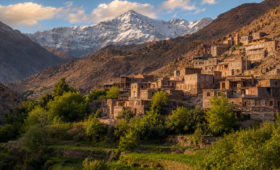
Amazigh communities developed their own languages, traditions, architecture and social systems. Their cultural influence remains strong throughout Morocco, particularly in the Atlas Mountains, the Rif region and the southern oases.
Phoenician and Roman Influence
Because of its strategic location, ancient Morocco attracted Mediterranean trading civilizations. Phoenician merchants established trading posts along the Moroccan coast, which were later influenced by Carthage.
Part of northern Morocco eventually became connected to the Roman Empire under the name Mauretania Tingitana. Volubilis, located near the city of Meknes, became an important Roman settlement.
The archaeological site of Volubilis still contains impressive mosaics, columns, arches and the remains of public buildings. It is one of the best places to discover Morocco’s ancient history.
The Arrival of Islam
Islam reached Morocco during the seventh and eighth centuries. The arrival of Islam gradually transformed the country’s political, religious and cultural life while interacting with the existing Amazigh identity.
In the late eighth century, Idris I established the Idrisid dynasty. The Idrisids are often considered the founders of the first major Islamic state in Morocco. The city of Fes later developed into an important centre of religion, education, trade and craftsmanship.
The Almoravid Dynasty
The Almoravids emerged from Saharan Amazigh communities during the eleventh century. They created a powerful empire that extended across Morocco and parts of West Africa and the Iberian Peninsula.
Marrakech was founded during the Almoravid period and became an important political and economic centre. The city later developed into one of Morocco’s most famous imperial capitals.
The Almohad Empire
The Almohads replaced the Almoravids during the twelfth century and established another powerful empire. Their territory included large areas of North Africa and Muslim-controlled parts of the Iberian Peninsula.
The Almohad period produced important architectural monuments. The Koutoubia Mosque in Marrakech, the Hassan Tower in Rabat and the Giralda in Seville reflect the distinctive architecture of this era.
The Marinid Dynasty
The Marinids ruled Morocco from the thirteenth to the fifteenth centuries. They made Fes their principal capital and supported the construction of schools, mosques and religious institutions.
Many beautiful madrasas found in the historic Medina of Fes were built during the Marinid period. Their detailed woodwork, carved plaster and colourful tiles demonstrate the sophistication of traditional Moroccan architecture.
The Saadian Dynasty
The Saadian dynasty rose to power during the sixteenth century. Its rulers defended Morocco against foreign pressure and strengthened trade connections with other African regions.
Sultan Ahmad al-Mansur was one of the dynasty’s most famous rulers. His reign was associated with wealth, diplomacy and impressive construction projects.
The Saadian Tombs in Marrakech are among the finest monuments from this period. Their decorated chambers provide visitors with an excellent example of Moroccan craftsmanship.
The Alaouite Dynasty
The Alaouite dynasty came to power during the seventeenth century and continues to reign in Morocco today. Sultan Moulay Ismail made Meknes an imperial capital and constructed large palaces, walls, gates and royal buildings.
During the following centuries, Morocco maintained diplomatic and commercial relations with African, European and Middle Eastern countries. The kingdom also faced growing European political and military pressure.
The French and Spanish Protectorates
In 1912, Morocco was divided into French and Spanish protectorate zones, while Tangier later received an international administrative status.
Although the Moroccan monarchy remained in place, colonial authorities controlled many political and economic affairs. Resistance movements appeared in different parts of the country, including strong opposition in the Rif Mountains.
The movement for independence grew during the twentieth century. Sultan Mohammed V became an important symbol of Moroccan unity and national sovereignty.
Moroccan Independence
Morocco regained its independence from France and Spain in 1956. Sultan Mohammed V became king, and the country began building modern national institutions.
King Hassan II succeeded Mohammed V in 1961. Morocco experienced significant political, social and economic changes during his reign.
King Mohammed VI became monarch in 1999. Since then, Morocco has continued developing its infrastructure, tourism industry, cities and international economic relationships while preserving its cultural heritage.
Morocco’s Imperial Cities
The four imperial cities of Morocco are Marrakech, Fes, Meknes and Rabat. Each city served as a capital under different Moroccan dynasties.
Fes is famous for its ancient Medina, traditional schools and artisan workshops. Marrakech is known for its historic palaces, markets and Jemaa el-Fna square.
Meknes contains impressive monuments from the reign of Moulay Ismail, while Rabat is Morocco’s present-day capital and home to important royal and historic sites.
A Living Cultural Heritage
The history of Morocco can still be seen in its architecture, languages, music, food and traditions. Amazigh, Arab, African, Andalusian, Mediterranean and Jewish influences have all contributed to the country’s identity.
Historic medinas, mountain villages, desert kasbahs and traditional markets continue to preserve this diverse cultural heritage. Moroccan crafts such as pottery, carpets, leatherwork, carved wood and zellige tiles also reflect skills passed down through generations.
Discover Moroccan History with Atlas Escape Morocco
Exploring Morocco is a journey through centuries of history. Travellers can walk through the Roman ruins of Volubilis, visit the imperial cities, discover ancient kasbahs and meet Amazigh communities in the Atlas Mountains.
Atlas Escape Morocco offers authentic cultural tours, mountain adventures and desert journeys from Marrakech. Travel with local experts and discover the history, landscapes and traditions that make Morocco an unforgettable destination.